Transforming your backyard with a pond can create a peaceful retreat that enhances your outdoor living experience. Whether you prefer a naturalistic look with native plants and rocks or a formal design with clean lines and geometric shapes, there are endless possibilities to suit your taste. In this article, we explore creative backyard pond ideas to inspire your next project, covering everything from location and style to plants, fish, and maintenance.
Choosing the Right Location for Your Backyard Pond
The success of your pond largely depends on its placement. Ideally, choose a spot that receives partial sunlight—about 4 to 6 hours a day—to support aquatic plants and prevent algae overgrowth. Avoid areas under large trees to minimize falling leaves and debris, which can clog filters and decompose, affecting water quality. Also, consider visibility from your home and seating areas so you can enjoy the pond’s beauty up close. Ensure the ground is level and well-drained to avoid structural issues. If you plan to add fish, choose a location that offers some shade to keep water temperatures stable.
Popular Pond Styles: Formal vs. Natural
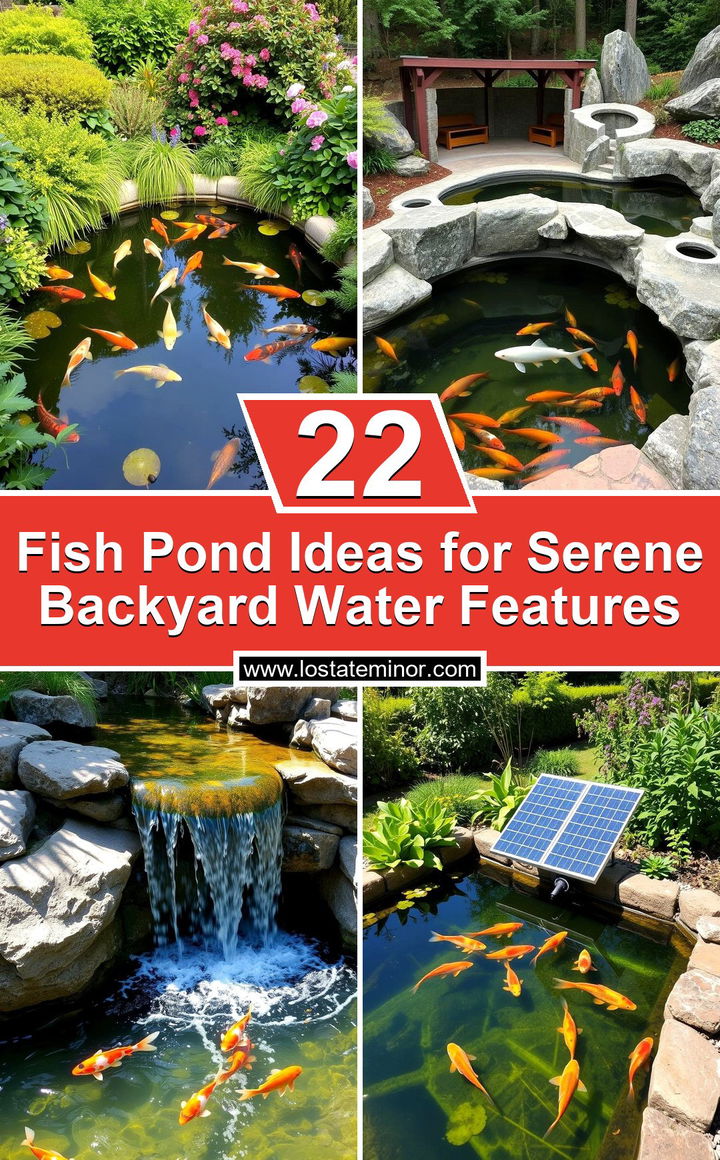
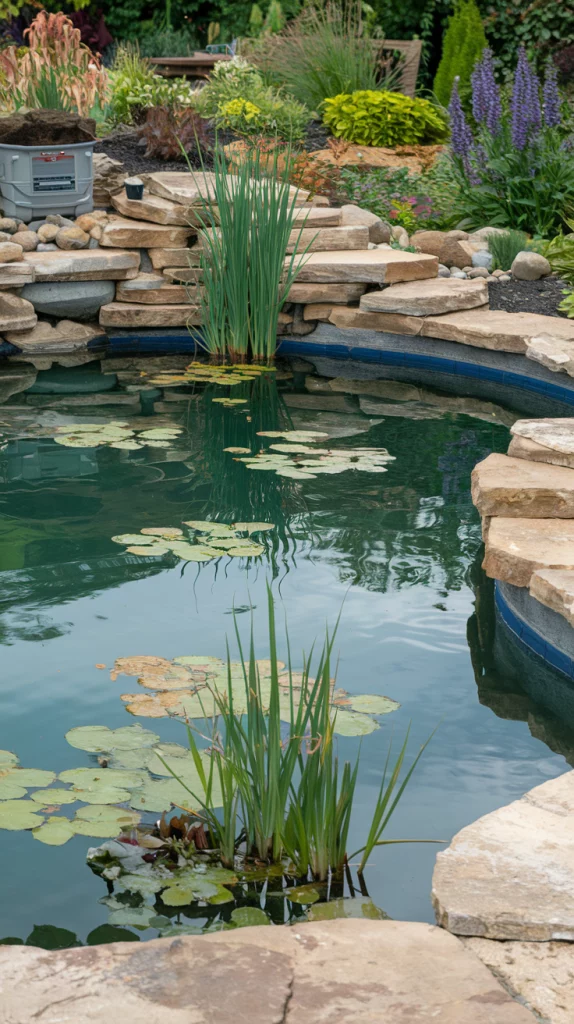
When it comes to pond design, two main styles dominate: formal and natural. Formal ponds feature geometric shapes like rectangles or circles, often with raised edges made of stone, brick, or concrete. They pair well with manicured gardens and modern architecture. Natural ponds, on the other hand, mimic wild water bodies with irregular shapes, soft edges, and a variety of plants and rocks. They blend seamlessly into the landscape and attract wildlife. You can also combine elements from both styles to create a unique focal point. Consider your home’s architecture and garden theme to choose the best style.
Incorporating Water Features
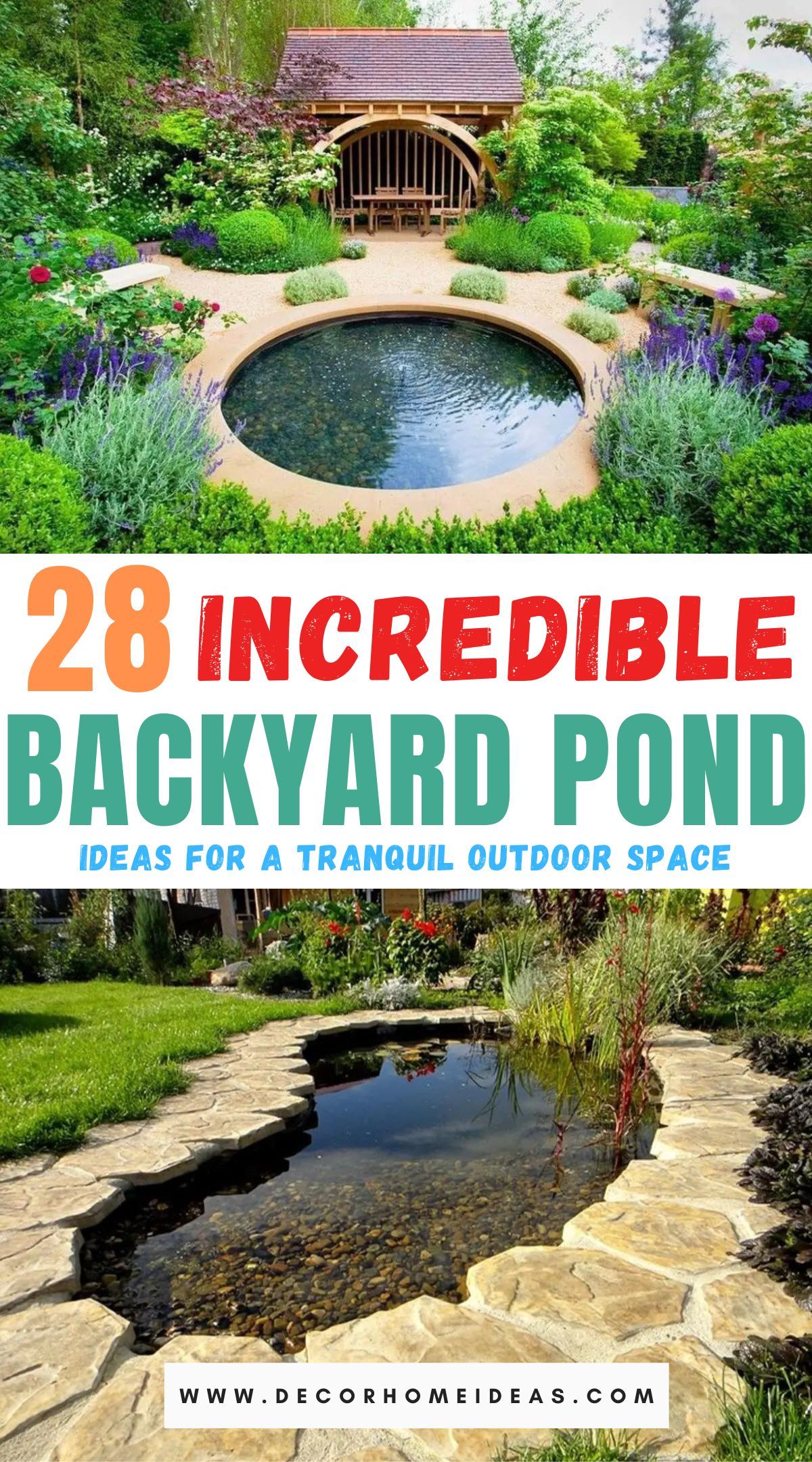
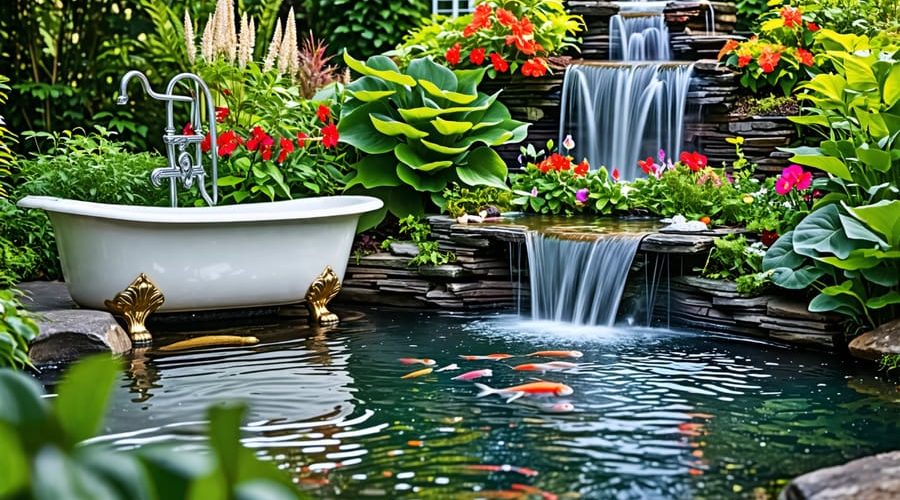
Water features add movement, sound, and visual interest to your pond. A simple fountain can create a soothing trickle, while a waterfall adds drama and helps oxygenate the water. For a more natural look, use a recirculating pump with a stream that flows over rocks into the pond. You can also incorporate a bog filter, which not only purifies water but also serves as a planting area. Consider lighting to highlight the water at night; underwater lights or spotlights on a waterfall can create a magical ambiance. These features can be adapted to any budget and scale.
Selecting Aquatic Plants
Plants are essential for a healthy pond ecosystem and aesthetic appeal. Choose a mix of submerged, floating, and marginal plants. Submerged plants like hornwort and anacharis provide oxygen and help control algae. Floating plants such as water lilies and lotus offer shade and beauty, with their leaves reducing sunlight penetration. Marginal plants like cattails, irises, and pickerelweed grow along the edges and soften the transition between water and land. When selecting plants, consider your climate and the depth of your pond. Group plants in pots or baskets for easy maintenance. This diversity will create a lush, balanced environment.
Adding Fish and Wildlife
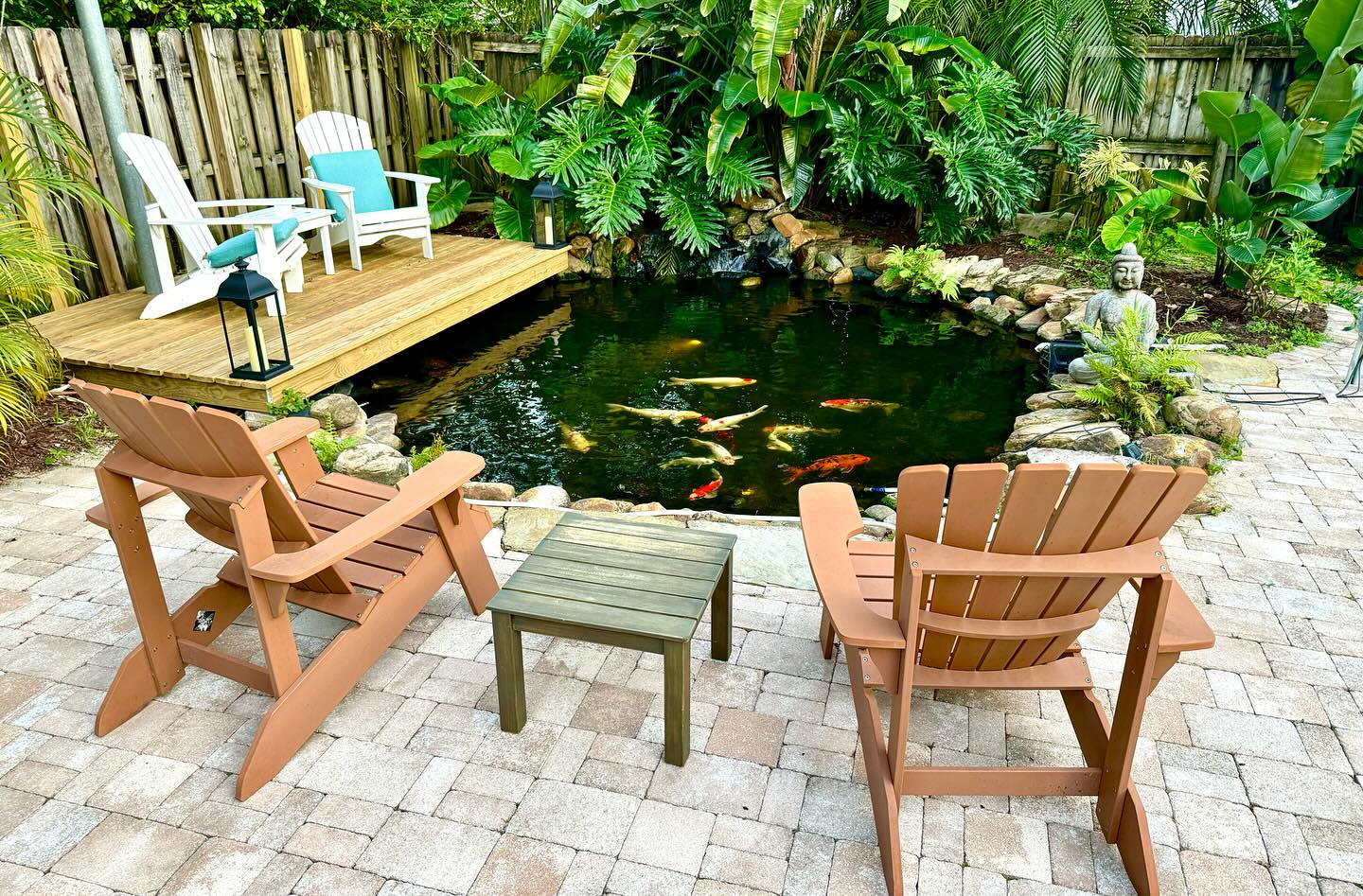
Fish add life and movement to a pond. Goldfish and koi are popular choices, but they require adequate space and proper filtration. Koi can grow large and need deeper water (at least 3 feet) to survive winter. If you want a low-maintenance option, consider native fish like minnows. To attract wildlife, create shallow areas for birds and amphibians to bathe and drink. Include rocks and logs for frogs and turtles. Be mindful that fish may eat insects and plants, and larger predators like raccoons may visit. A balanced ecosystem with plants, fish, and microorganisms will thrive with minimal intervention.
Pond Maintenance Essentials
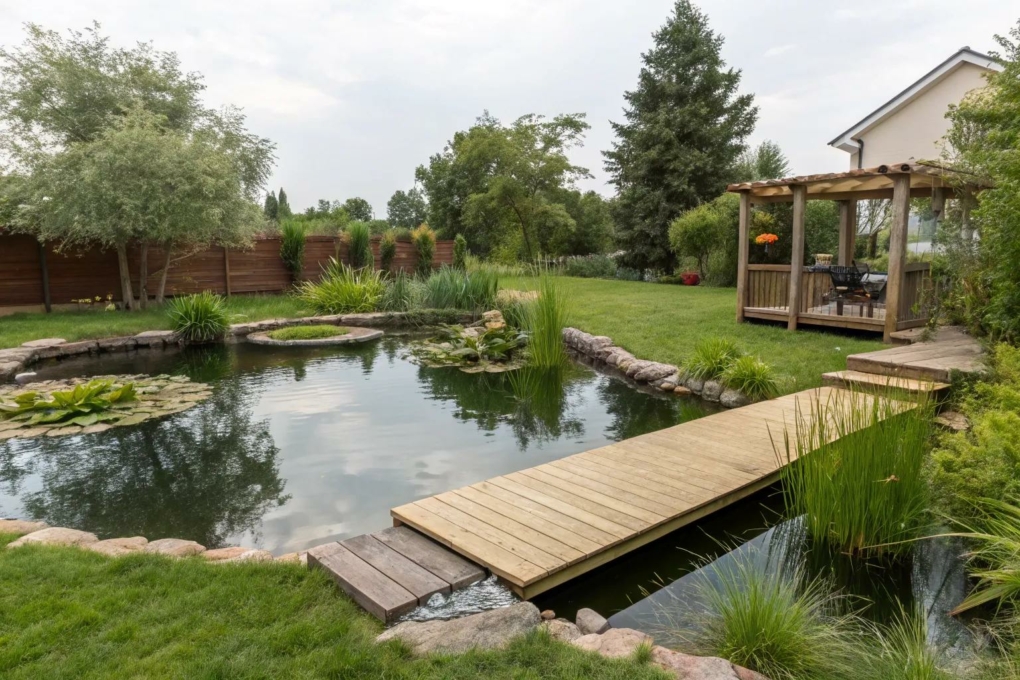
Regular maintenance keeps your pond clear and healthy. Install a filtration system with a pump and skimmer to remove debris. Perform weekly water tests for pH, ammonia, and nitrate levels. In spring and fall, do a deeper clean, removing sludge and trimming plants. During summer, control algae with beneficial bacteria or barley straw. In winter, if you have fish, ensure the pond doesn’t freeze solid—use a de-icer or keep an area open with a bubbler. Reduce feeding when temperatures drop. A well-maintained pond will reward you with years of enjoyment.
Lighting and Decor
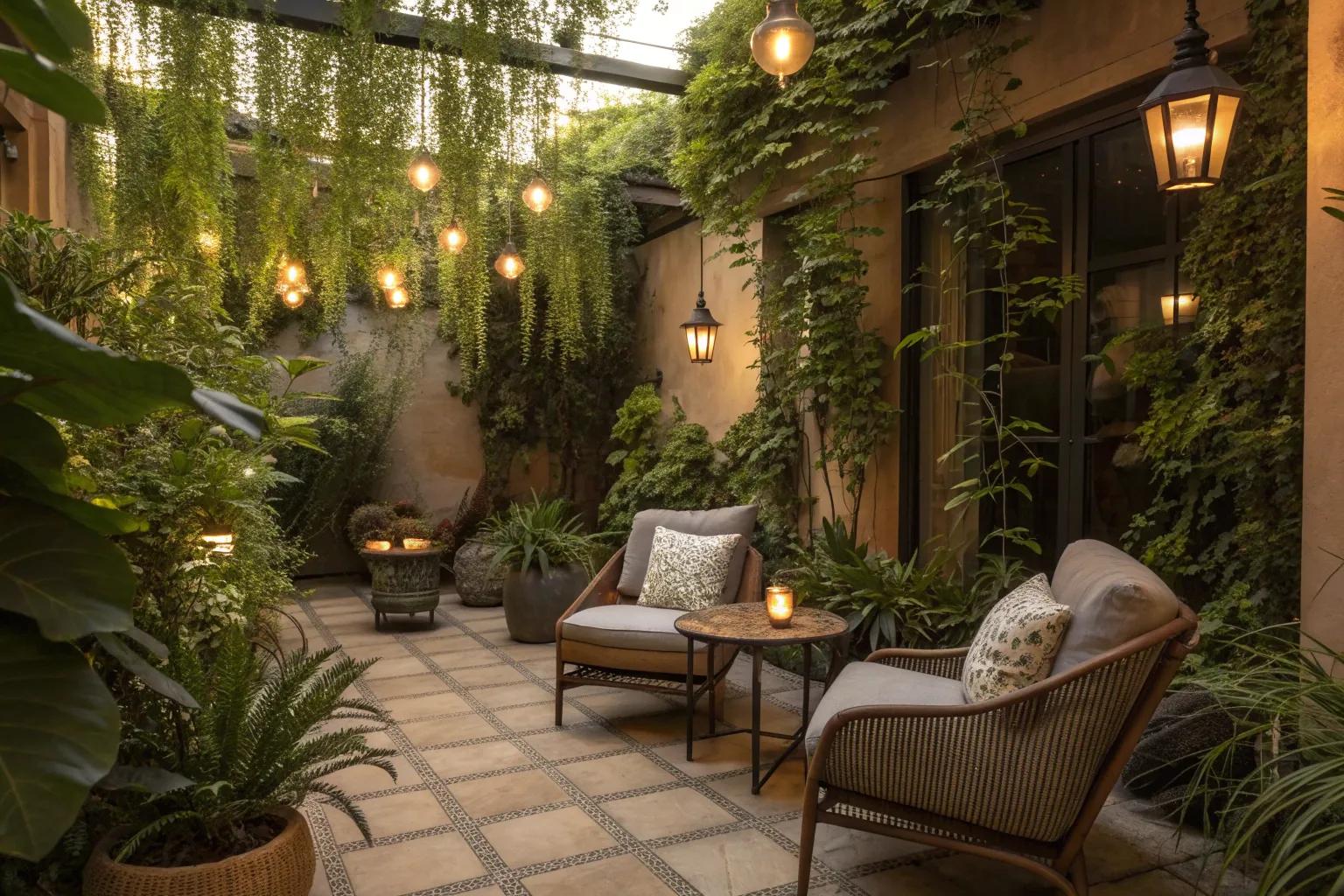
Lighting extends the enjoyment of your pond into the evening. Submersible LED lights can illuminate the water and fish, while spotlights on waterfalls or trees create drama. Solar lights along the edge are eco-friendly and easy to install. For decor, add statues, stepping stones, or a bridge to enhance the theme. Consider using natural materials like river rocks and driftwood to blend with the surroundings. Keep decor minimal to avoid clutter. A focal point like a fountain or a unique plant arrangement can tie the design together.
FAQ
How deep should a backyard pond be? For a basic garden pond without fish, 18-24 inches is sufficient. If you want fish, especially koi, a depth of at least 3 feet is recommended to protect them from predators and winter freeze.
What is the average cost of building a pond? Costs vary widely based on size, materials, and features. A small DIY pond can cost $500-$1,500, while a professionally installed large pond with waterfalls and lighting can exceed $10,000.
Do I need a pump and filter? Yes, to keep water clear and healthy. A pump circulates water, while a filter removes debris and provides biological filtration. Even small ponds benefit from a pump.
How do I prevent algae? Algae thrives in sunlight and nutrient-rich water. Use aquatic plants to compete for nutrients, install a UV clarifier, and avoid overfeeding fish. Partial shade also helps.
Can I have a pond in a small backyard? Absolutely. Container ponds or small preformed ponds work well. Even a half-barrel can host a mini water garden with a small pump and a few plants.
What plants are best for beginners? Water lilies, duckweed, and anacharis are easy to grow. For marginal plants, try dwarf cattails or creeping Jenny.
With these ideas and tips, you can design a backyard pond that reflects your style and provides a peaceful escape. Start planning today, and soon you’ll enjoy the soothing sights and sounds of your own water garden.