
Whether you are a seasoned professional or a weekend DIY enthusiast, safety is the foundation of every successful carpentry project. Understanding and following the safety rules every carpenter should know can prevent injuries, save time, and ensure quality work. This guide covers the most critical safety practices that every carpenter must adopt.
Essential Personal Protective Equipment (PPE)
Personal protective equipment is your first line of defense. Always wear safety glasses or goggles to protect your eyes from flying wood chips, dust, and debris. Hearing protection is crucial when using loud power tools like saws and routers. A dust mask or respirator prevents inhalation of fine particles, especially when sanding or cutting treated wood. Sturdy work boots with slip-resistant soles reduce the risk of falls, and gloves protect your hands, but avoid wearing loose gloves near rotating blades.
Maintaining a Clean and Organized Workspace
A cluttered workspace is a hazard zone. Keep floors free of sawdust, wood scraps, and tools that could cause trips or falls. Store sharp objects like chisels and saws in designated holders or racks. Ensure good lighting so you can see clearly, and keep a fire extinguisher nearby, as sawdust is highly flammable. Regularly sweep and vacuum your shop to maintain a clean environment, which is a simple yet effective safety rule every carpenter should know.
Proper Use and Maintenance of Hand Tools
Hand tools are just as dangerous as power tools if misused. Always cut away from your body, and keep blades and cutting edges sharp—dull tools require more force and are more likely to slip. Inspect tools before each use for cracks, loose handles, or other damage. Use the right tool for the job; never use a screwdriver as a chisel or a wrench as a hammer. After use, clean and store tools properly to prevent rust and maintain their condition.
Power Tool Safety Tips
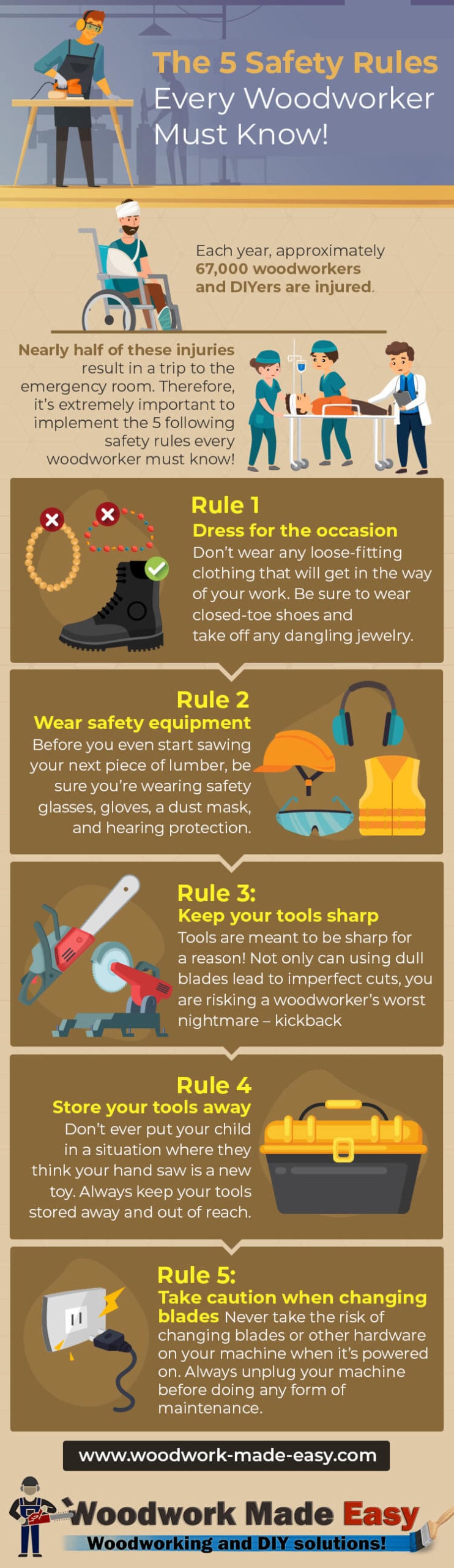
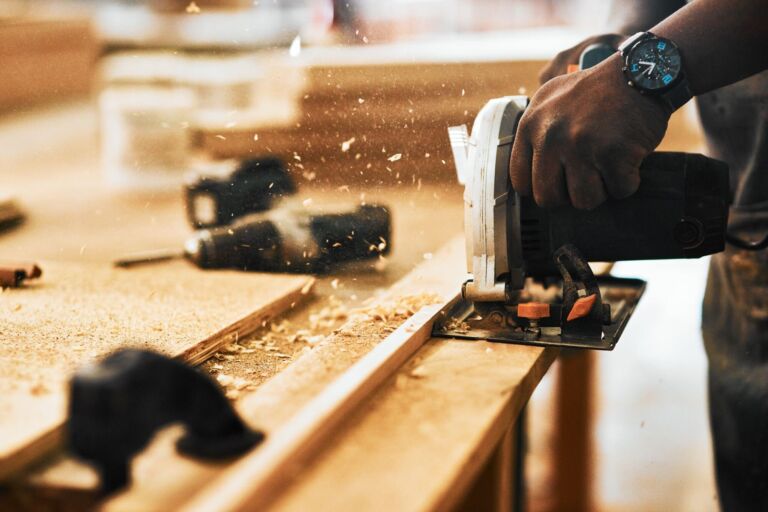
Power tools require respect and attention. Read the manual before operating any tool, and always disconnect power when changing blades or bits. Keep guards in place and never remove them for convenience. Use push sticks or blocks when feeding material into table saws or jointers to keep hands at a safe distance. Avoid wearing loose clothing, jewelry, or long hair that could get caught. Also, ensure your tools are properly grounded and use GFCI outlets in damp areas.
Safe Lifting and Material Handling
Carpentry often involves moving heavy sheets of plywood, lumber, and equipment. To avoid back injuries, lift with your legs, not your back, and keep the load close to your body. Use mechanical aids like dollies, forklifts, or team lifting for items over 50 pounds. Before lifting, clear the path of obstacles. Be aware of your surroundings, especially when carrying long boards that can hit others or objects. This safety rule every carpenter should know can prevent common strain injuries.
Electrical Safety in Carpentry
Many carpentry sites expose workers to electrical hazards. Always inspect power cords for cuts or fraying before use. Never use cords that feel hot or spark. Use extension cords rated for the tool’s amperage, and keep them away from water and sharp edges. When working near power lines or wiring, assume all wires are live unless verified. Use non-conductive ladders (fiberglass) for overhead work and avoid metal ladders near electricity.
Frequently Asked Questions (FAQ)
What is the most important safety rule in carpentry?
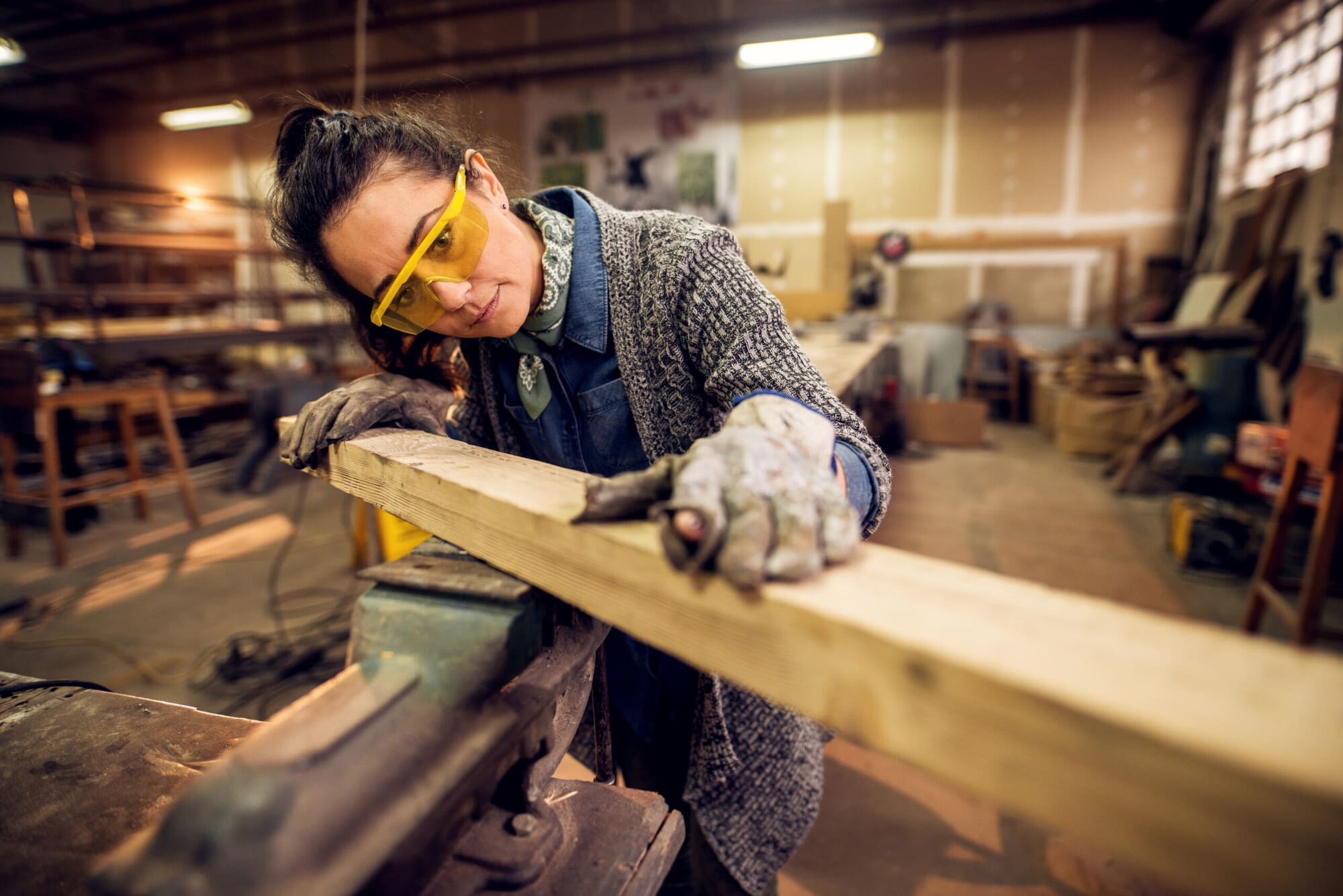
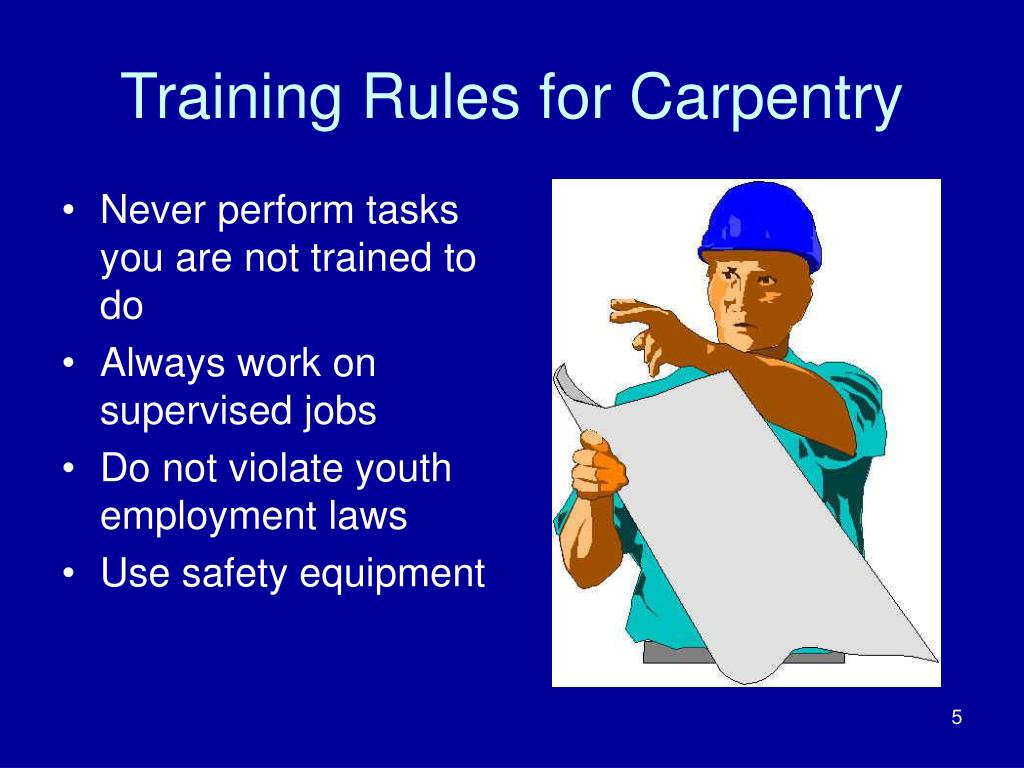
The most important rule is to always wear the correct personal protective equipment for the task and to stay focused. Distractions and shortcuts lead to accidents.
How often should I inspect my tools?
Inspect tools before every use, and perform a thorough maintenance check monthly. Sharpen blades and replace worn parts as needed.
Can I remove safety guards from power tools?

No, safety guards are there to protect you. Removing them increases the risk of serious injury. Always use tools with their guards intact.
What should I do if I see an unsafe condition at a job site?
Immediately report it to your supervisor or remove the hazard if safe to do so. Never ignore potential dangers—stop work if necessary.
By integrating these safety rules every carpenter should know into your daily routine, you create a culture of safety that protects both you and those around you. Remember, no project is worth an injury. Stay alert, use the proper gear, and continuously educate yourself on best practices. Safe carpentry is good carpentry.